The Horrifying Truth About Data Centers Nobody Is Talking About
It's a worldwide agenda - destroy infrastructure first

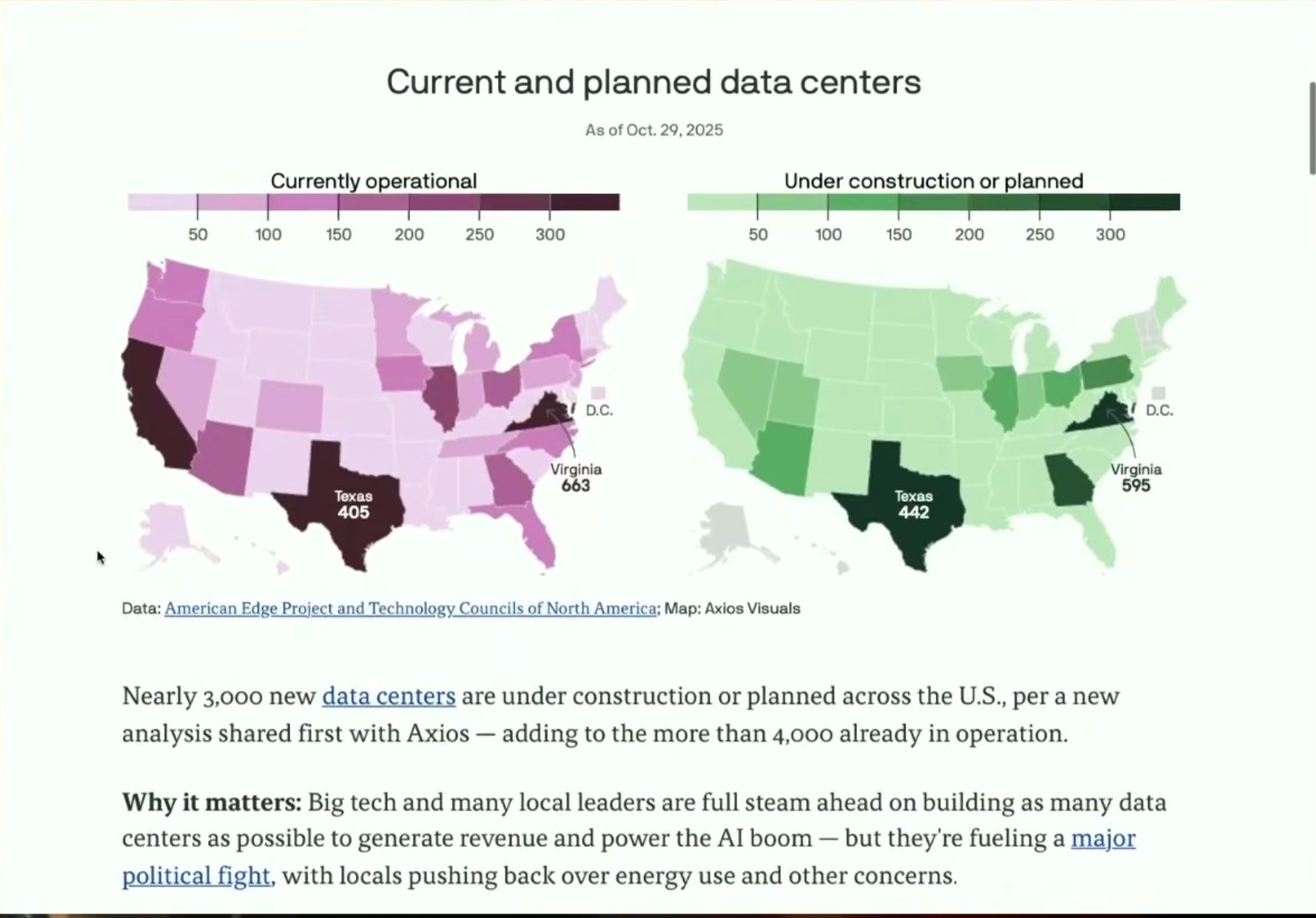
Nearly 3,000 new data centers are under construction or planned across the United States, and most Americans have no idea what these things actually are or what they are being built to do.
In this clip, I break down the explosive growth of AI data centers across the country, including the largest one ever proposed: 62 square miles in rural Utah, fast-tracked by the state government with the public completely locked out of the decision. This is not about faster internet. This is about building the physical infrastructure of a surveillance state.
We cover the noise pollution -- what it actually sounds like to live half a mile from one of these things at 1 in the morning. The light pollution bathing rural Texas towns in a 24-hour industrial glow. The heat islands raising local temperatures by nearly 4 degrees. The water usage -- one Google facility in Ohio alone pulling 387,000 gallons per day, full of forever chemicals when it comes back out. And the electricity bills in states like Georgia, where residents are paying up to $267 more per year just to power these things while the data centers themselves get a discount.
These are not side effects. They are symptoms. The infrastructure for a digital prison is being built all around us, funded by our own tax dollars, poisoning our water, and driving up our cost of living — while the people pushing it tell us they're worried about the environment.
Watch the full broadcast HERE
From Maria Zeee
REPORT: Governments are now classifying massive AI data centers as “military operations,” quietly stripping communities of any power to stop them.
Local control is disappearing fast. And it’s being replaced by national security justifications as residents are locked out of decisions that are quickly reshaping entire communities.
Project Matador in Texas alone is expected to use up to 96 billion kWh annually—nearly half of all residential electricity in the state. And it’s just one of hundreds that are moving forward right now. In Louisiana, locals describe chaos as Meta’s expansion drives up costs and disrupts daily life. Now in Utah, the Stratos Project, backed by Kevin O’Leary and fast-tracked by Gov. Spencer Cox’s military authority, is bypassing public input entirely.
Meanwhile, the technology these centers power is already raising alarms, including vehicles that can override drivers in real time through facial recognition systems.
This is happening now. Watch what’s unfolding around the country before it reaches your area.
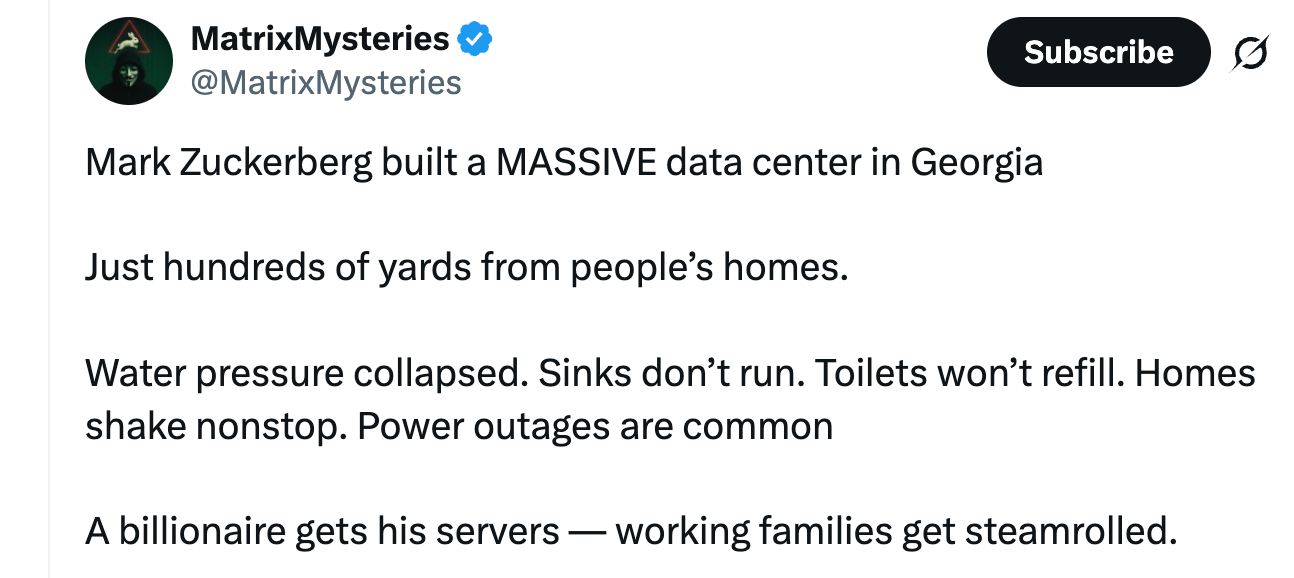
Mark Zuckerberg’s data centre in Georgia
Kevin O'Leary's new hyperscale data center project in Utah has been approved by the county commission


ALARMING: Small town Louisiana is in CHAOS because of Zuckerberg.


BILL GATES $80,000,000 “SMART CITY” LAND IS UP IN FLAMES — AND PEOPLE ARE CONNECTING THE DOTS
Years ago, Bill Gates quietly secured 24,000+ acres in Buckeye, Arizona desert land tied to a future AI-controlled smart city.
Now?
That same region is on fire.
Not a small brush fire either.
A fast-moving blaze tearing through the area, forcing evacuations and locking everything down.
And right as flames spread?
Insurance companies are already pulling wildfire coverage in those exact areas.
Read that again.
Land tied to a future “smart city”
Now burning
Coverage disappearing at the same time
And people are starting to ask questions:
• Why THAT exact location?
• Why now — before any major development began?
• And why does it feel like the land is being… “cleared”?
Smart cities need blank slates.
Controlled zones.
Rebuild-ready land.
And suddenly… nature does the demolition?
Paradise.
Maui.
Pacific Palisades.
Buckeye.
At what point do people stop calling this coincidence and start calling it a pattern: land… fire… rebuild?
IN NEW ZEALAND
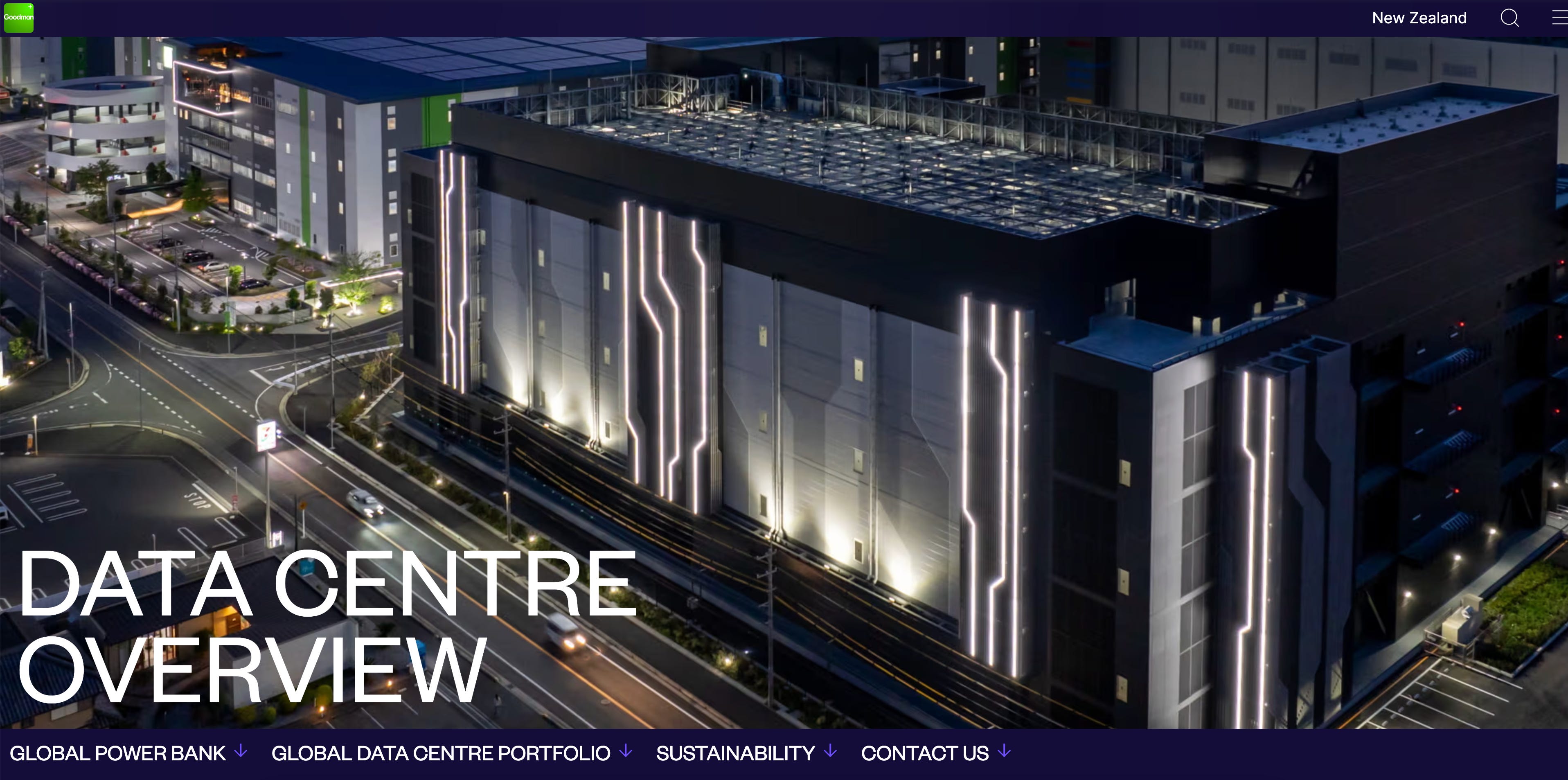
https://nz.goodman.com/our-properties/data-centres?gad_campaignid=22996885122
Amazon takes $45m hit, abandons planned West Auckland data centre
4 May 2026
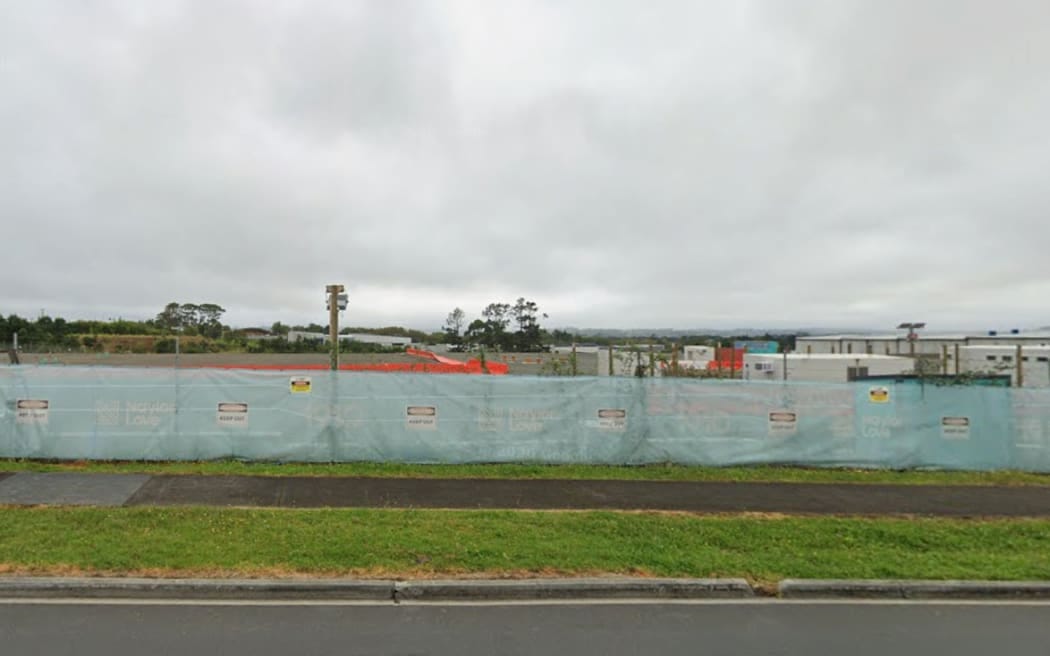
The site which was planned to be used by Amazon in Westgate, Auckland. Photo: Google Maps / Screenshot
Amazon’s New Zealand data centre arm has taken a roughly $45 million hit after shelving a planned West Auckland development, newly filed accounts show.
Financial statements for Amazon Data Services New Zealand Ltd for the year to December 31, 2025, reveal the company booked a $44.9 million impairment in 2025 after deciding “not to continue with the planned development of the site.”
The write-down related to land holdings, which were reduced to a recoverable value of about $62.7 million.
While the filing does not explicitly name the location, Amazon’s only publicly disclosed greenfield development in New Zealand had been a proposed hyperscale data centre in Westgate, Auckland.
The scale of the write-down and the reference to undeveloped land implies the impaired site relates to that project.
The impairment drove the subsidiary to a pre-tax loss of $36 million in 2025, reversing a profit a year earlier. It was recorded within operating expenses and accounted for the bulk of the decline.
Despite the write-down, Amazon appeared to be continuing to invest heavily in its New Zealand footprint, with total assets above $650 million.
Those investments appear to be being redirected into new servers, networking gear and leasing capacity in other data centres, rather than new builds.
Between December 2024 and December 2025, the value of equipment on its books surged to more than $250 million from about $5 million, while lease assets climbed to about $285 million from roughly $244 million, with a further $162 million in future lease commitments yet to begin.
At the same time, assets under construction have dropped to zero.
Rather than building its own sites, it looks like Amazon in New Zealand is shifting to a “lease-and-equip” model - buying capacity and filling it, rather than building from scratch.
In 2021 when Amazon announced the data centre construction plan, it said the investment would create 1000 direct and indirect jobs and claimed it would add about $10.8bn to the local economy over the next 15 years.
Then-Minister for Digital Economy and Communications David Clark said it was a vote of confidence in the country’s economic recovery from the pandemic.
Then-National Party digital economy spokesperson Melissa Lee said the investment would encourage more young people to pursue careers in the tech sector.
A letter from Amazon to then-Prime Minister Jacinda Ardern showed the US tech firm celebrating an “ambitious partnership” with the New Zealand government.
A new Southland datacentre would be the country’s second-largest drain on power
17 March 2026
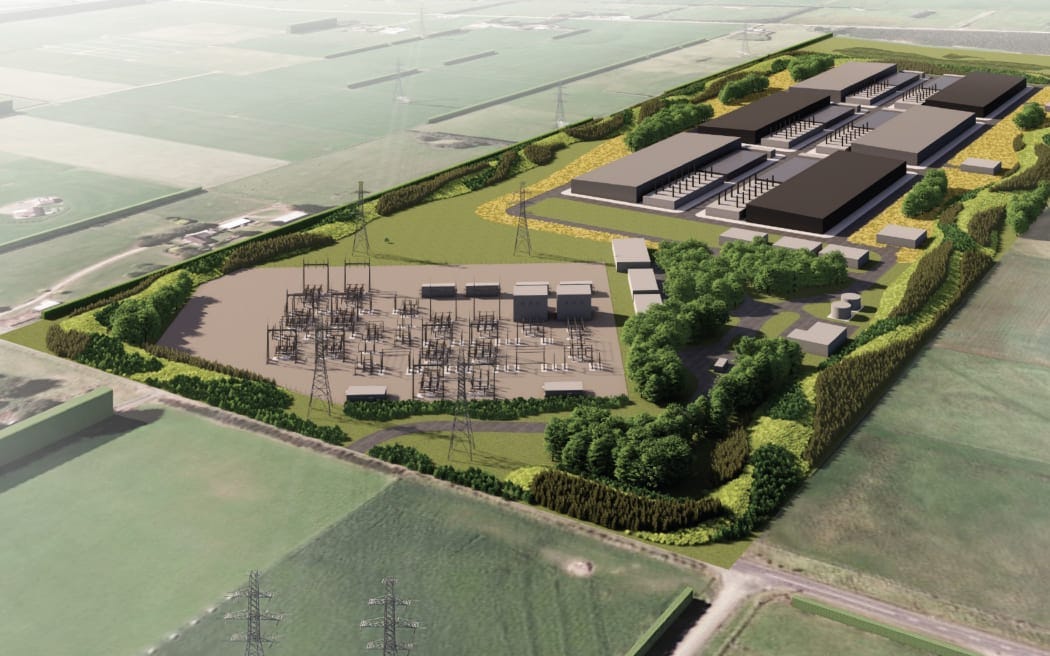
Artist’s impression of how the data centre is to look. Photo: Datagrid
It’s being billed as the data centre that changes everything - but hopefully that doesn’t include the price of your power.
It will be the country’s second biggest user of electricity after the Tiwai Point aluminium smelter.
A $3 billion data centre in Southland that, as the marketing says, “changes everything”....
“...delivering the most significant upgrade to New Zealand’s digital infrastructure in a generation. We’re doubling national data capacity and opening up a high-growth gateway to Asia-Pacific’s booming cloud and AI economy.”
Multiple resource consents have been granted by three local authorities to get Datagrid’s huge AI data storage project in Makarewa off the ground, and to land a high-speed internet cable from Australia coming up at Oreti Beach near Invercargill.
But where will all the power come from? The likely answer is the Manapōuri hydro-electric power plant, which also powers Tiwai.
But if there’s a shortage, say in a drought, what will the data centre’s requirement for constant electricity do to the market - and our power bills?
That’s what niggles Newsroom’s South Island editor, David Williams, who speaks to The Detail today after six years of keeping tabs on the project.
Datagrid has told him it won’t be answering his questions until it issues a news release later on - possibly this week.
For its international clients, the fact that the centre will be using clean energy is a big selling point, but is there enough of that energy to go around?
“It’s not like a data centre can just power down,” says Williams.
“The advantage of Tiwai is that they can say, ‘ok, well, we’re not going to put on this particular potline. We will close down for a while, and that’s part of our contract, and we’ll get paid by the country if you like, to shut down because that’s good for New Zealand Inc.’
“Data centres need continuous power. If they power down... that’s why they have these backup generators... if they power down, it’s actually damaging to their units or their processing centre. It needs to be a constant supply.”
Fast Track approval has just been given for a large Contact Energy wind farm just 50 kilometres away from the centre’s site, so that could be a piece of the puzzle.
Williams says this is “not your usual Southland development, I would have thought”.
“The scale of this is quite something.”
Not only does it involve building six data halls, but it is also flanked by 12-metre-high noise control barriers over 9.5 hectares on a 48-ha property. There will be 84 emergency generators, each with a 10,000 litre diesel tank and a 15m high exhaust stack.
The construction phase will offer the most lucrative economic return to the region, with up to 550 workers expected to be on site, but once it’s finished, it will only require about 50 staff to keep it going.
The main transmission line practically runs over the top of the site, and Datagrid will build its own substation and upgrade the grid exit point.
Williams says the company has done well to consult with neighbours, iwi, and anyone else affected, all of whom seem to be on board with the mitigations it’s planning.
Southland mayor Rob Scott has told him, “these people have done it right”.
“They’ve talked to people, they’ve consulted the community, but more importantly, they’ve listened,” he says.
“They’ve taken account of the things that they’ve said, and they’ve tried to change things.”
Measures included noise mitigation from the 24-hour hum of servers and concerns answered over water, required in great quantities for cooling.
“Most of the people who live around them have given their written approval for what’s going on,” he says.
Williams says given the Amazon data centre debacle in Auckland, where billions of dollar’s worth of building and employment were promised but never eventuated, people are right to be sceptical. But he says this project has emerged differently, starting small and getting bigger.
“But I do note,” he says, “with this particular project, the consent approval announcement was not made by the Prime Minister. So maybe that’s a good sign.”
Connect the dots
Transpower warns of higher blackout risk in winter 2026
16 May 2025
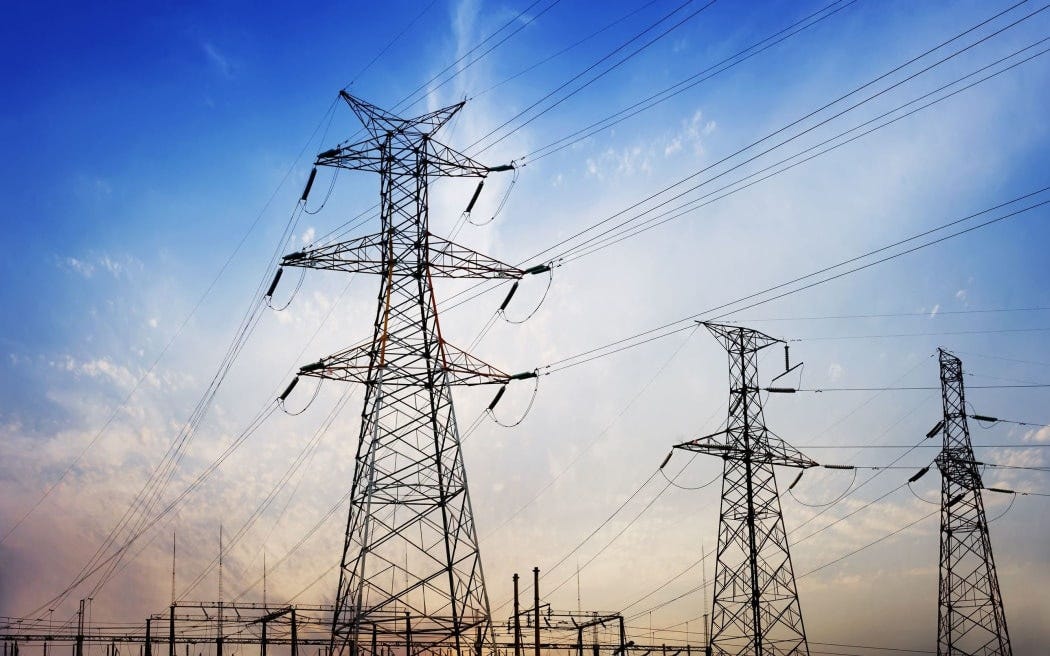
The draft Security of Supply Assessment makes sobering reading for power suppliers. Photo: 123rf.com
Transpower is warning of higher risks of electricity outages starting in winter 2026.
The national grid operator’s draft Security of Supply Assessment predicts an elevated risk of shortages will arrive four years earlier than thought as recently as a year ago.
It found solar, wind and battery storage isn’t coming online fast enough to make up for dwindling supplies in the country’s gas fields.
The assessment found, if every electricity generation project in the pipeline was built, supply would be much more reliable, but Transpower said there was a risk of some proposed solar, wind and battery projects falling over.
Previously, Transpower thought its lower security standard - a measure of the safety margin between expected demand and supply - would be met until 2030. Now, it says that will be breached in 2026, much earlier than expected.
“It doesn’t mean there will actually be outages, but it does signal an increased risk,” said Transpower chief executive James Kilty. “It is telling us things are getting tighter and next year is looking tight.”
He said companies in the electricity market could challenge the draft assessment, which said, if all potential solar, wind and battery projects in the development pipeline were built, the country would be in a much more secure position, but many projects didn’t have consent yet.
The main factor behind the changed outlook was worse-than-expected results from gas producers.
Not only have yields from the country’s gasfields dropped faster than expected, independent experts have also downgraded the size of estimated gas reserves in existing fields since the previous assessment a year ago.
Transpower now expects lower demand from industrial users than previously forecast, with more electricity generation projects committed to being built than a year ago.
Commercial rooftop solar has also helped alleviate some pressure, but while those factors improved the buffer, they weren’t enough, the assessment found.
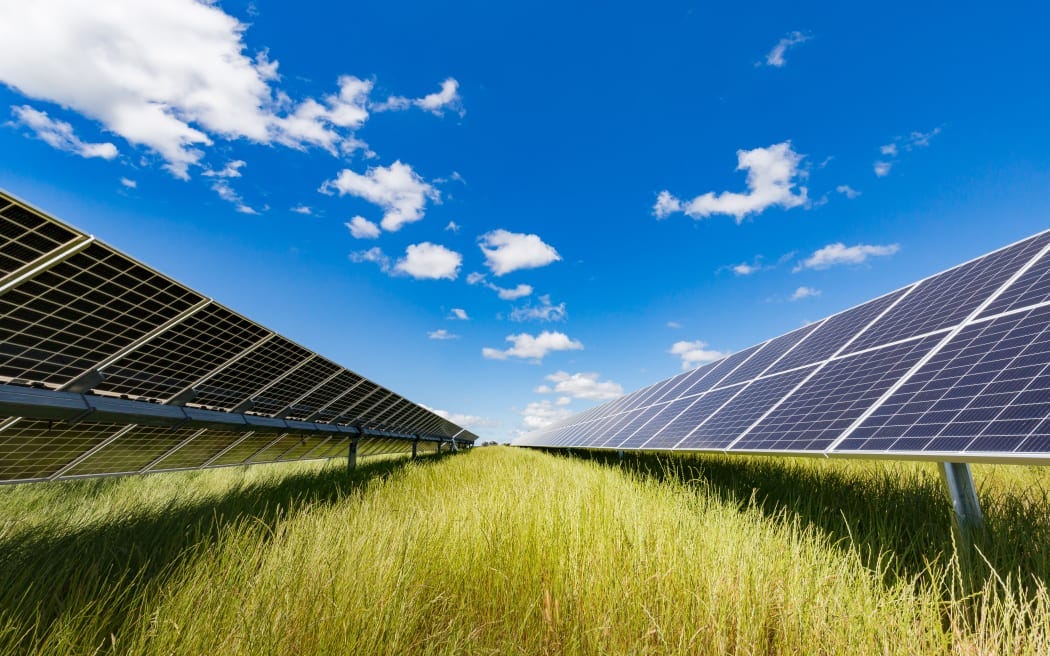
A solar farm. Photo: Supplied / Genesis Energy
Need for certainty for planned projects
Transpower says, to get the reliable supply the country needs, more renewable generation projects need to progress from possible to locked-in.
“The more speculative part of the supply pipeline... has increased,” the assessment says. “However, with so much of the supply pipeline unconsented, there is risk that these projects could be delayed, deferred or dropped.”
The risk of shortfall out to 2034 can’t be met by coal and gas, even at their maximum levels.
“Even with the highest plausible energy contribution from thermal [coal and gas], we require a rapid and sustained build of new generation, exceeding the large amount currently consented, to maintain energy margins above the security standards over the full ten-year horizon,” the assessment said.
Eighty-five percent of planned new generation is solar and wind, with most of the rest battery projects. Batteries can be used to store solar or wind power, and switched on and off to boost supply at stretched times, taking some pressure off the nation’s hydro dams.
Octopus Energy’s Margaret Cooney said the risks could be alleviated before next winter, if the government acted quickly.
“What the report’s saying is actually, yes, that risk of outages is increasing,” she said. “We do have opportunities to take action now that could reduce that, so more batteries more quickly, more demand response - both of those could help solve that situation and avoid the blackouts.”
“We’re not getting enough new generation coming in fast enough to compensate for the fact that we’ve lost the firmness or certainty you’ve had with gas. The government really needs to focus on making sure more supply is coming into the market as soon as possible.”
Cooney said the government could take steps now that would make a difference within a year. One of those was changing the market, so companies could be paid to lower their demand at peak times, helping the country survive the short-term risk of outages.
Octopus’ UK arm made those payments in the United Kingdom and the company also wants to offer it here.
“I’m not talking about shutting down plants for whole seasons, it’s literally just to manage the supply imbalance that happens for a few hours,” Cooney said.
“When you look at markets abroad, they have incentive payments... so in those situations, where you’re approaching peak scenarios, they get called on and if they reduce their usage at that time, they get paid.
“It’s something Fonterra and other major energy users have highlighted they are open to doing, but the current market structure doesn’t support it.
“There is potential to quickly spin up a solution and examples in other markets we could replicate quite quickly.”
Cooney said overall productivity need not be impacted.
“They could time maintenance over the peak period, but ultimately not impact their own production.”
The country’s biggest electricity user, Rio Tinto, has agreed to reduce its electricity use during tight winters, but in that case, the hiatus impacts production of aluminum.
Likewise, the country’s biggest gas user, Methanex, has committed to selling its gas to electricity generators this winter, if needed, to shore up dwindling gas supplies during a potentially dry winter for the hydro power lakes.
Methanex has agreed to forfeit production of methanol for export for the second year in a row, because it was considered more profitable to onsell its gas supply to the likes of Contact and Genesis Energy.
Managing director Stuart McCall told RNZ that its core business remained methanol production and it intended to get back to it.
“Recent gas sales to New Zealand’s electricity sector reflect targeted support during a period of energy supply stress, not a shift away from our core business,” he said.
“Our priority remains manufacturing methanol, a key ingredient in everyday products such as mobile phones, pharmaceuticals, construction materials, wind turbines, solar panels and an increasingly important lower-emissions fuel for the global shipping industry.”
Kilty said the hydro lakes looked a little fuller than feared going into winter 2024, and deals struck with Rio Tinto and Methanex also helped lower the risk of shortages this winter, but the sector needed to respond again to lower the risks in 2026.
The draft assessment looks ahead 10 years and forecasts fossil fuel supplies, new power stations, new build of factories and demand sources, and assesses how much buffer there may be in the electricity supply.
“We need to keep working hard to bring new electricity to market as soon as possible and make sure existing stations are well-fuelled going into next winter,” he said.
Thanks Robin! A lot of comments on X today on this issue!! People are awakening to the disaster, but how do we stop it? The one in Southland needs to be stopped NOW!
People have no idea, or are now too brain-entrained to take the information on board that these data centres are part of the SMART PRISON that will be forming and encompassing their future lives and those of their family’s future generations!
Everything involved in the daily running of their lives will be monitored and remotely/virtually controlled from these centres.
Disobey any of the many new regulations that will become law once the systems are ready to go into full swing will be punishable by having one or all of your rights to live freely removed.
They have slow drip-fed these implementations over the last few decades so people didn’t question the motives — beginning with store and petrol/gas station loyalty cards and CCTV in shops, buildings, and on the streets — allegedly for rewards schemes and our protection!
Everything needed for life will be centrally controlled within the databases of these digital ID centres.
Communications will be removed… phone, internet etc.
The ability to purchase food stuffs and supplies will be removed.
The ability to purchase petrol/gas will be removed to prevent travel.
Passports will be cancelled to prevent migration and/or travel.
Bank accounts will be shut down without warning and all monies and investments confiscated by the state. — see China where 28 thousands bank accounts were shut down when this system was launched and people are still unable to buy food or supplies due to their entire financial accounts and communications devices being blocked and shut down.
The list of what they will control is endless and means you can be outcast in society with the flick of a switch…
A real dystopian future looms just around the corner foe all of us if we don’t fight this now.
Many will be left homeless as rent and mortgage payments will be blocked via bank account closures for disobedience or dissident free thinking activities, and the state will not help them.
Jobs will be blocked.
Families will be torn apart as those blocked from living properly will turn to them for help and they will be punished too if they assist!
People need to wake up to what is really going on.